
I’ve been working with balloons long enough to know that most people underestimate them. They think of balloons as a simple, low-effort addition to a party. Something you pick up at a grocery store the morning of, tie to a mailbox, and call it done.
That version of balloon decor exists, and it shows.
What also exists is the kind of balloon work that stops a room. The kind that frames a stage at a Nike activation, anchors a Vogue event, or transforms a venue in ways that no other décor medium can match at the same price point. The difference between those two outcomes is rarely the balloons themselves. It’s the knowledge behind how they are used.
This guide covers what I’ve learned after years of working at both ends of that spectrum.
Balloon decor is the use of balloons in intentional arrangements to shape the visual experience of a space. That can mean something as focused as a single organic garland behind a dessert table, or as expansive as a full venue transformation with ceiling installations, entrance arches, sculptural centerpieces, and branded backdrops.
The medium is flexible enough to serve almost any event type, which is part of why it has grown so significantly. More than 50% of global event planners now report using balloons as a core décor element, and the range of what is being created at the professional level keeps expanding. The constraint isn’t what balloons can do. It’s what the person designing with them knows how to ask of them.
Understanding the material you are working with is the foundation of everything else. Each balloon type behaves differently, looks different, lasts different lengths of time, and serves a different purpose in a design.
Latex balloons are made from natural rubber and are the most versatile option in professional balloon work. They come in a wide range of sizes, from 5-inch accent balloons up to 36-inch statement pieces, and in virtually every color imaginable, including standard, pearl, metallic, and confetti-filled varieties.
Because latex is a porous material, helium gradually escapes at roughly 5 to 10 percent per day, which means latex balloons filled with helium have a shorter float time than foil alternatives. For air-filled installations like organic garlands, arches, and columns, this isn’t a concern. Air-filled latex holds up well and is the backbone of most professional organic work.
Latex is also biodegradable, which matters to an increasing number of clients. The shift toward biodegradable balloons made from natural materials is one of the most consistent trends in professional balloon decor right now, and it’s worth asking your decorator about their sourcing. For latex, brands like Sempertex consistently deliver the quality, color consistency, and durability that professional work requires.
Note on sizing: organic garlands typically layer 5-inch, 11-inch, 16-inch, 24-inch, and 36-inch balloons together. That range of sizes is what creates depth, movement, and the textural quality that makes an organic installation feel considered rather than assembled.
Foil balloons, sometimes called Mylar balloons, are made from metallized polyester film. The aluminum coating makes them non-porous, allowing them to hold helium for two to four weeks without noticeable deflation, and some specialty options can last up to two months. That longevity makes them ideal for multi-day events, branded installations, and situations where the setup needs to be prepared well in advance.
They come in letters, numbers, shapes, and a wide range of metallic finishes. Gold, silver, rose gold, and chrome options add a premium visual quality that photographs well and holds up under event lighting.
One important note: foil balloons should never be released outdoors. They conduct electricity and can cause power outages when they contact power lines, and they are not biodegradable.
Bubble balloons are made from a clear, stretchy plastic that inflates into a near-perfect sphere. Their transparency allows every decorative element inside to shine, making them one of the most photogenic options available. They are commonly filled with confetti, smaller balloons, dried florals, or feathers, and work particularly well as standalone statement pieces or high-end centerpieces.
Bubble balloons complement nearly any color scheme and work particularly well for events with a strong social media focus or professional photography.
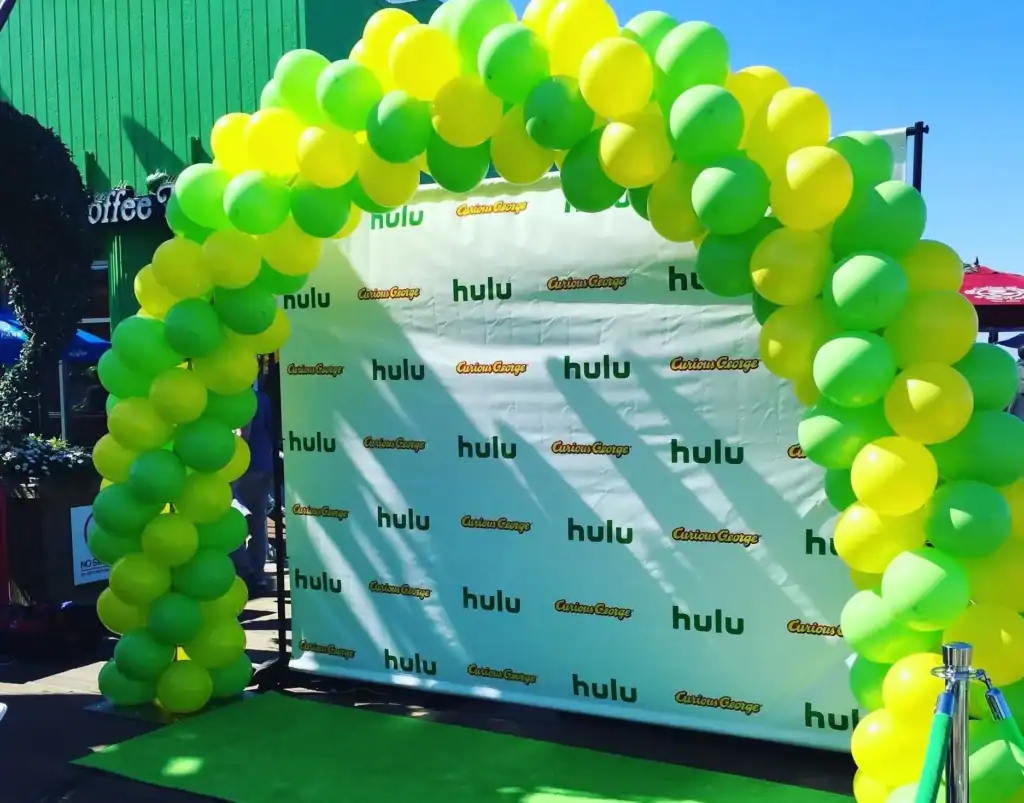
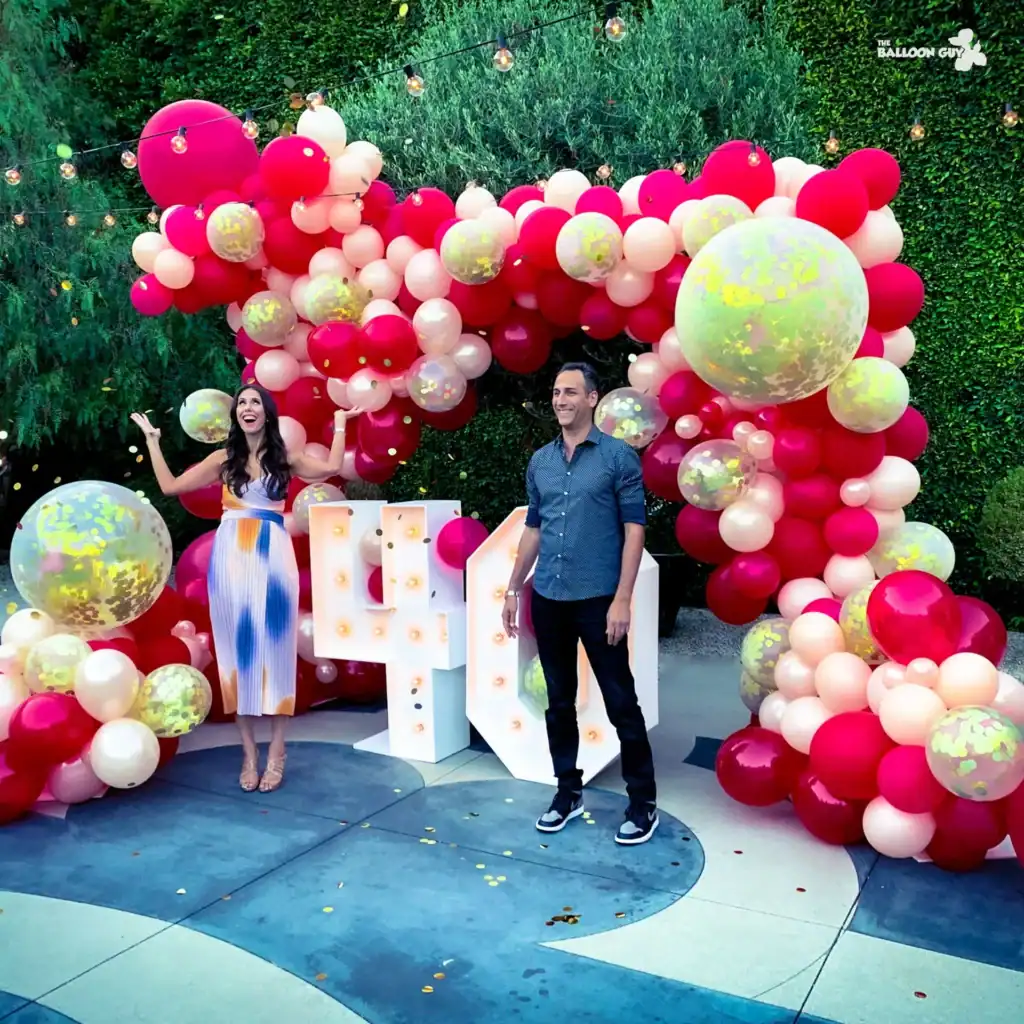
A balloon arch is one of the most powerful tools in event design because it frames space. It tells guests where to look, where to walk, and where the important moments are happening. There are two main styles:
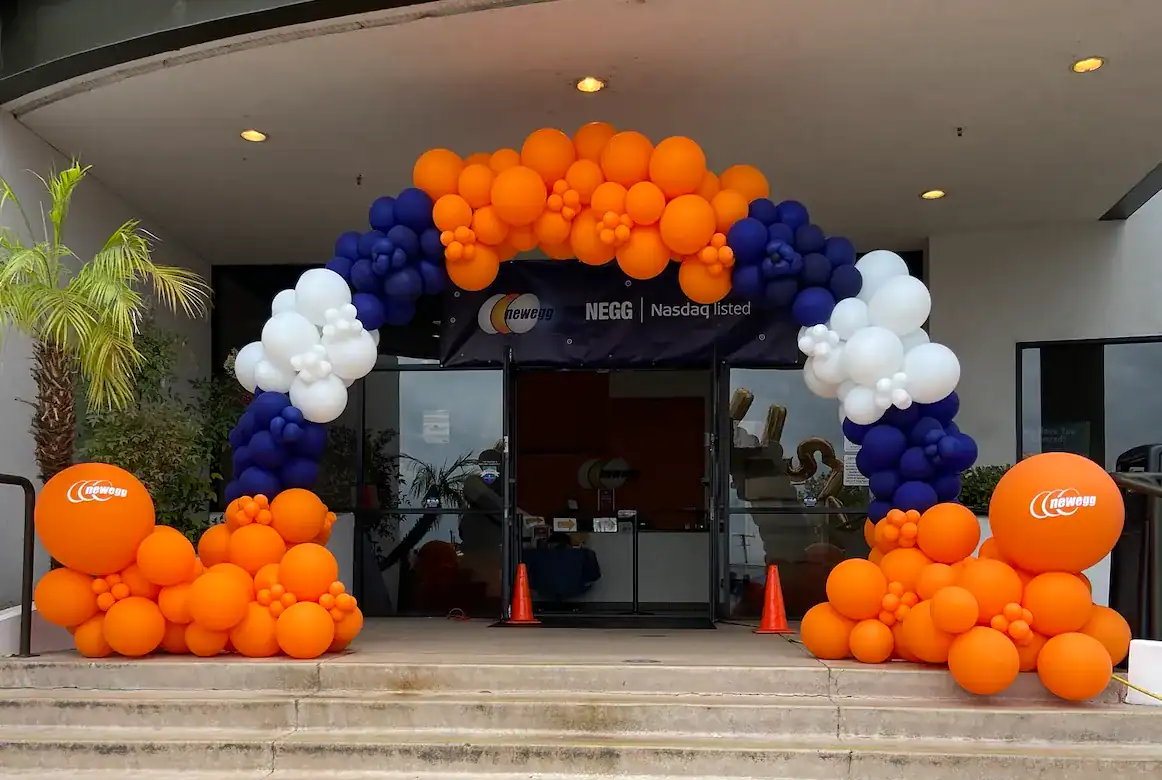
Classic Arch: Symmetrical and uniform, built from balloons of the same size in a repeating pattern. Clean, structured, and well-suited to corporate events and grand openings.
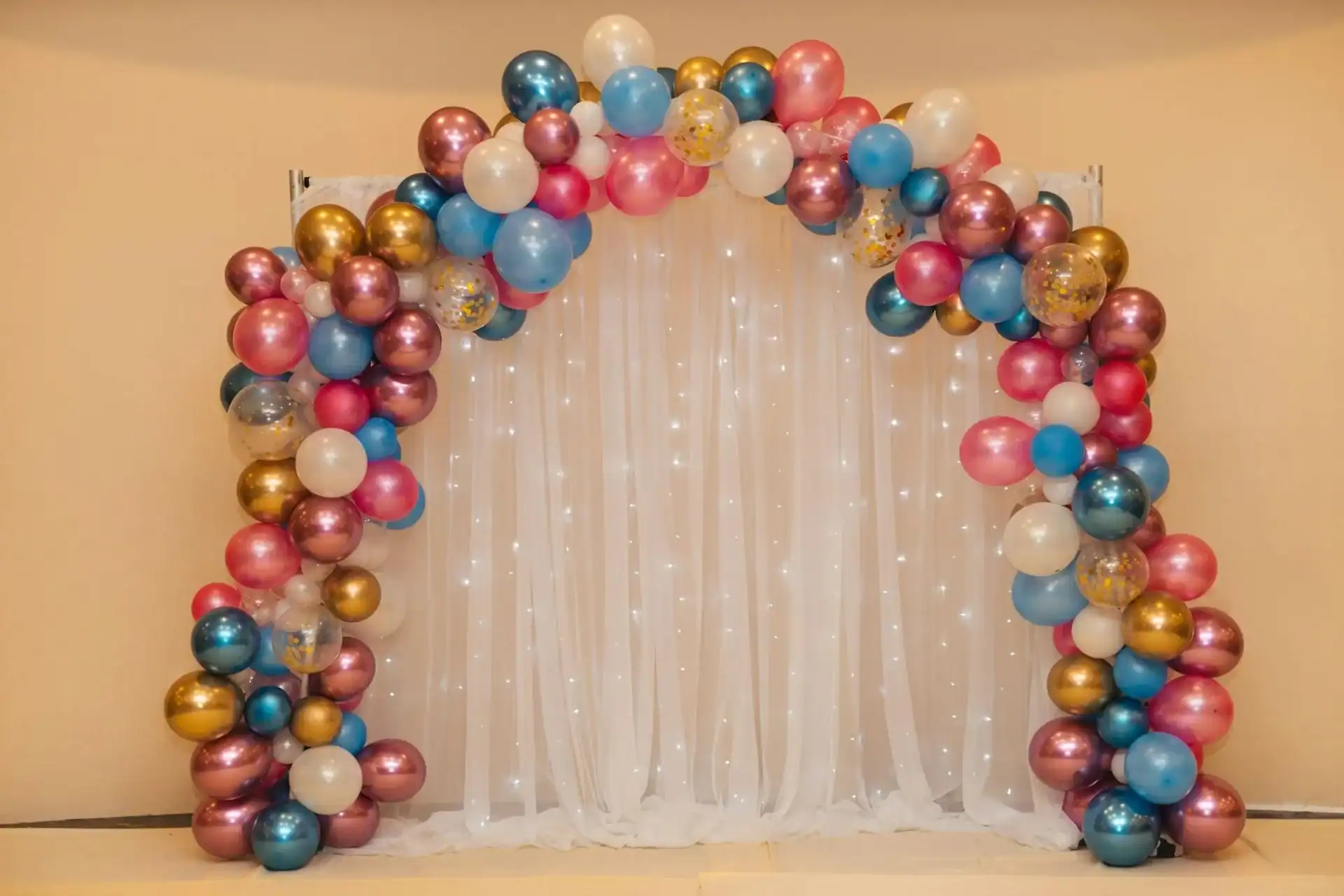
Organic Arch: Asymmetrical, with balloons in varying sizes layered to create a flowing, sculptural installation. No two organic arches look the same. This is the style that dominates high-end events right now, and it requires significantly more skill and time to execute well.
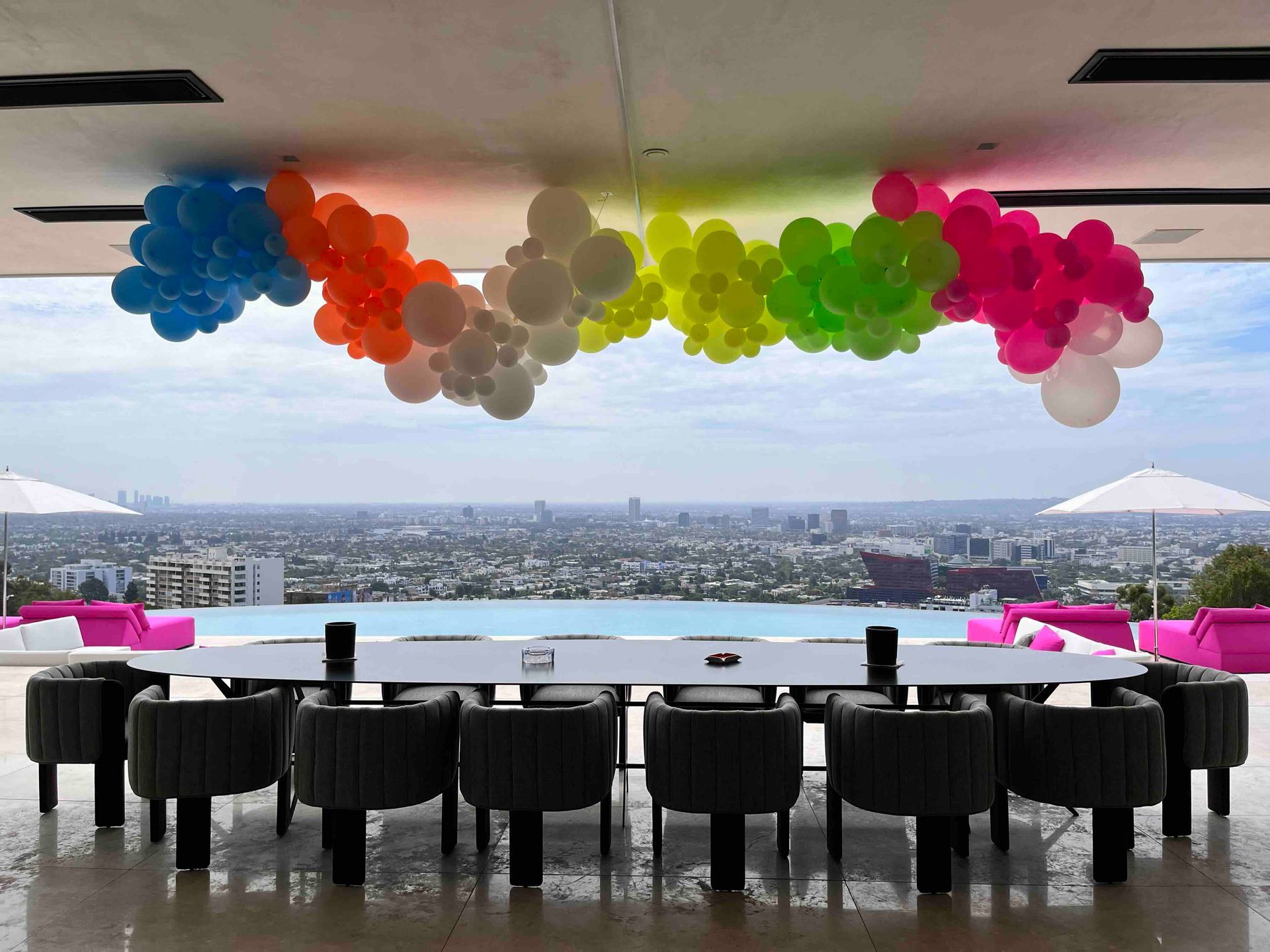
Garlands follow the same design logic as organic arches but are draped along surfaces rather than freestanding. They work along staircases, table edges, mantels, walls, and across ceiling spans. They are one of the most versatile tools in the decorator’s kit and one of the most consistently requested elements at premium events.
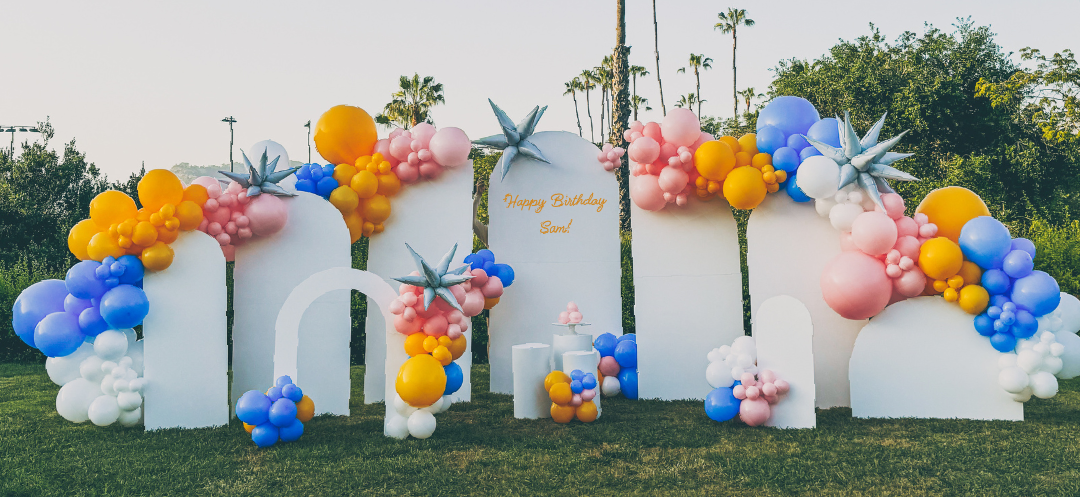
A balloon backdrop or wall creates a full visual focal point, typically behind a stage, dessert table, or photo moment. They can incorporate specific patterns, color blocks, logos, or custom messages. At the corporate level, branded balloon walls are one of the most effective ways to integrate a company’s visual identity into an event environment.
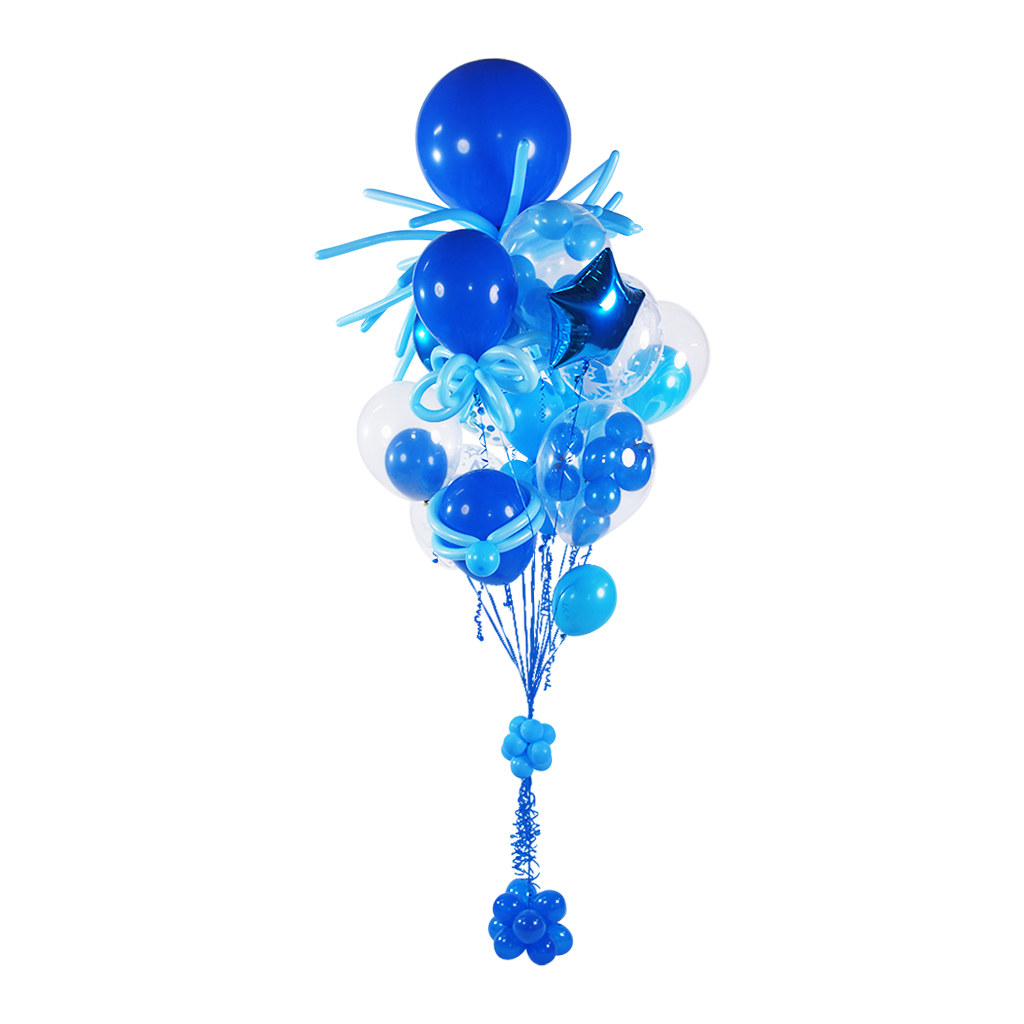
Bouquets work as table centerpieces, gift accents, and focal markers throughout a space. Their design and placement, particularly the height decision, has a significant impact on how a room feels and functions.
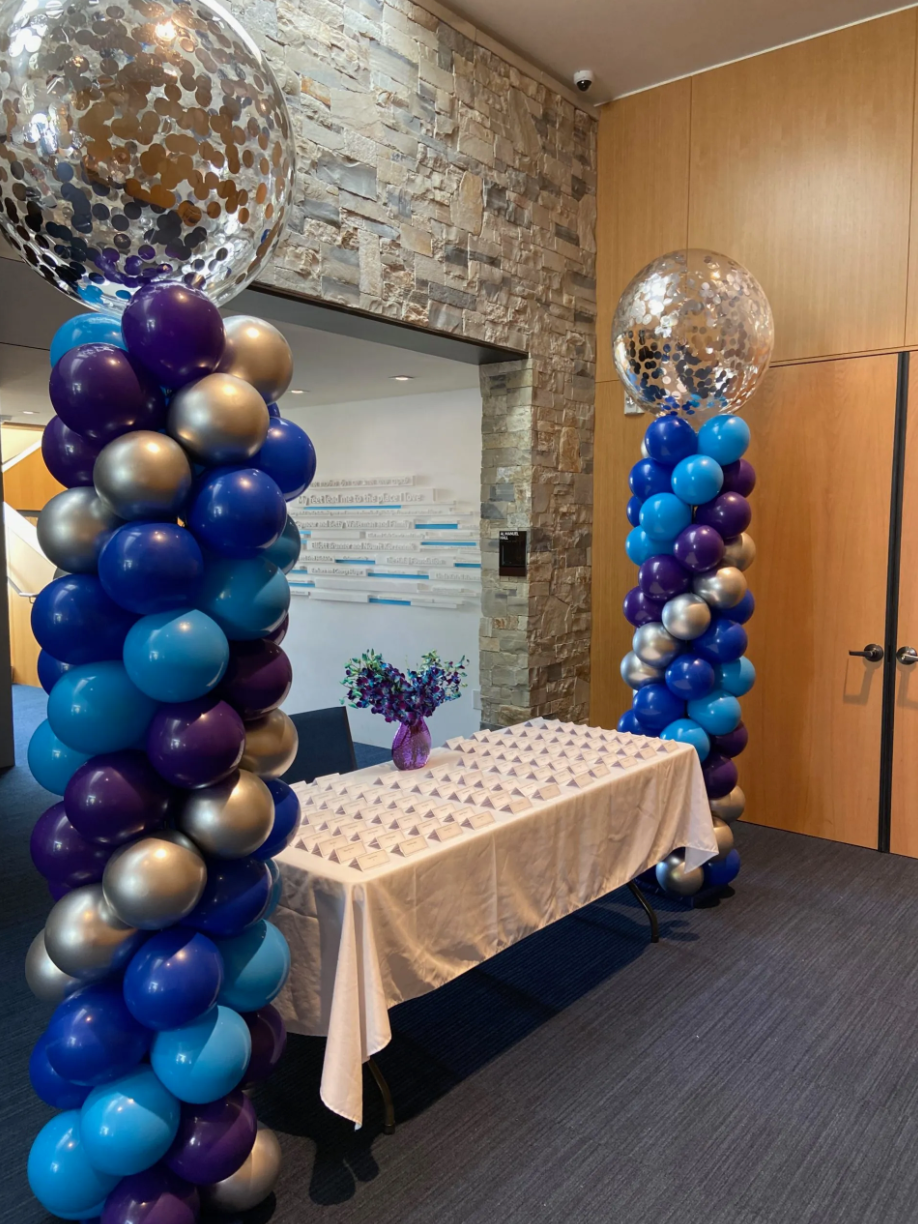
Balloon Columns such as the vertical columns, add height to a space and draw the eye upward. They are commonly used to flank entrances, frame stages, or mark key areas of a venue. Classic columns use uniform balloon sizes. Organic columns layer sizes for a more textural, modern look.
This is one of the most practically important decisions in balloon decor, and one that most guides skip over entirely.
The rule is straightforward: nothing over 14 inches from the table surface for a low centerpiece, so that seated guests can see each other clearly across the table. When you want to go taller, you need to go significantly taller. For tall centerpiece elements, start at 24 inches or higher from the table surface. This clears sightlines while adding genuine visual drama to the room.
The venue itself should guide this decision. In a ballroom with 20-foot ceilings, small table-level décor disappears entirely. You need height to bridge the gap between the floor and the ceiling. If your venue has 8-foot ceilings, keep centerpieces low and wide to avoid a caged-in feeling.
For floor bouquets placed among guest tables rather than on them, the balloons need to rise high enough to clear sightlines completely. Clusters placed among guest tables should float high enough that they don’t disrupt the line of sight between guests, which typically means starting the balloon cluster well above seated eye level.
The practical summary: go low and stay under 14 inches, or go tall and start at 24 inches or more. The middle ground creates awkward sightline problems that no amount of design quality can fix.
Color is where most people make their first mistake, and it’s usually the mistake of using too many. A tight palette of two to four colors, chosen to complement the overall event aesthetic rather than match every element exactly, will almost always outperform a broader one.
For corporate events, matching brand colors precisely often requires a technique called double-stuffing, where one balloon is inserted inside another to achieve a specific hue that standard balloon colors cannot produce. It’s labor-intensive and requires specialist equipment, but the result is the kind of color fidelity that brand-conscious clients require.
A useful starting point for building a palette is Canva’s color palette generator, which helps identify complementary tones from a reference image or brand color.
Every element of balloon decor should serve the overall visual logic of the space. Arches and columns frame and direct. Garlands accent and connect. Backdrops anchor and focus. Centerpieces create rhythm across a room.
The most common placement mistake is distributing balloon elements evenly throughout a space without a clear hierarchy. The result looks busy rather than designed. Establish one or two primary focal points first, then build supporting elements around them.
LED lights, fresh or faux florals, ribbon, metallic accents, and confetti fills all add depth to a balloon installation. The key is restraint. Each addition should serve the overall design rather than compete with it. The installations that look the most expensive are often the ones where someone knew when to stop.
This is worth being honest about.
DIY balloon decor is entirely possible for small, straightforward setups. A simple table bouquet or a basic garland for a casual gathering can be achieved with the right supplies and enough time.
What DIY cannot replicate is the result of professional equipment, trained technique, and years of accumulated knowledge about how balloons behave across different environments, temperature conditions, and event timelines. A professional organic garland is built on an industrial inflator, layered with intention, transported carefully, and installed with structural awareness. That process is what makes it look the way it looks.
The question isn’t whether DIY is possible. It’s whether the outcome matters enough to invest in getting it right.
For events where the décor is expected to hold up under professional photography, branded standards, or the kind of scrutiny that comes with a high-profile guest list, professional execution is the baseline, not a luxury.
Most people approach balloon decor as a category of products. They think about what to buy and where to put it.
Professional balloon work is a spatial design problem. The questions that actually drive good outcomes are: What does this space need to feel complete? Where should the eye go first? What is the relationship between the entrance, the focal point, and the room overall? How does the décor serve the people inside it?
Those are design questions, not shopping questions. And they are the ones that separate an event that looks decorated from one that feels designed. That distinction is what drives every installation we build at The Balloon Guy, from a private birthday in Los Angeles to a brand activation for a global company. The scale and budget change. The standard of thinking does not.
Ready to take your event from bland to grand?
We’re here for you.
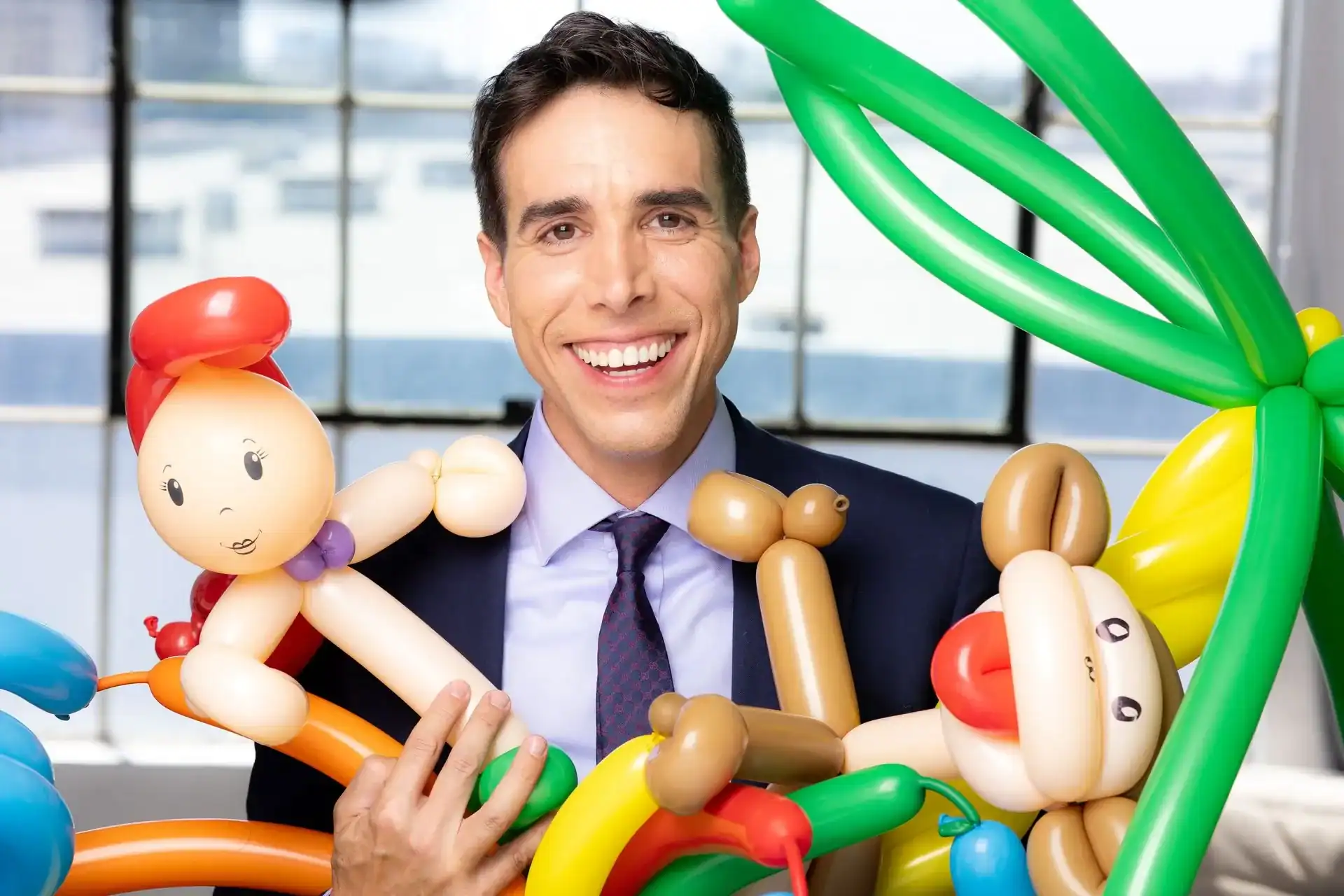
Founder and expert balloon decorator behind The Balloon Guy in Los Angeles. Known for creative and premium balloon designs that elevate every event experience.