
Balloon art has long carried a sense of wonder. From kids’ birthday parties to large-scale celebrations and brand launches, balloons have a way of transforming a space almost instantly.
Yet many people still ask a surprisingly simple question: What is a balloon artist actually called?
The answer is more interesting than most expect. Today, balloon artists are not just entertainers or decorators. They’re designers, installers, and creative professionals who help shape the atmosphere of important moments. In premium events, they often play a role similar to that of a visual stylist or creative director.
Understanding the names behind the craft helps reveal how the industry has evolved, and why balloon art is now recognized as a legitimate creative discipline.
A balloon artist can be known by several different titles. Each name reflects a slightly different focus or specialization within the craft.
Common terms include:
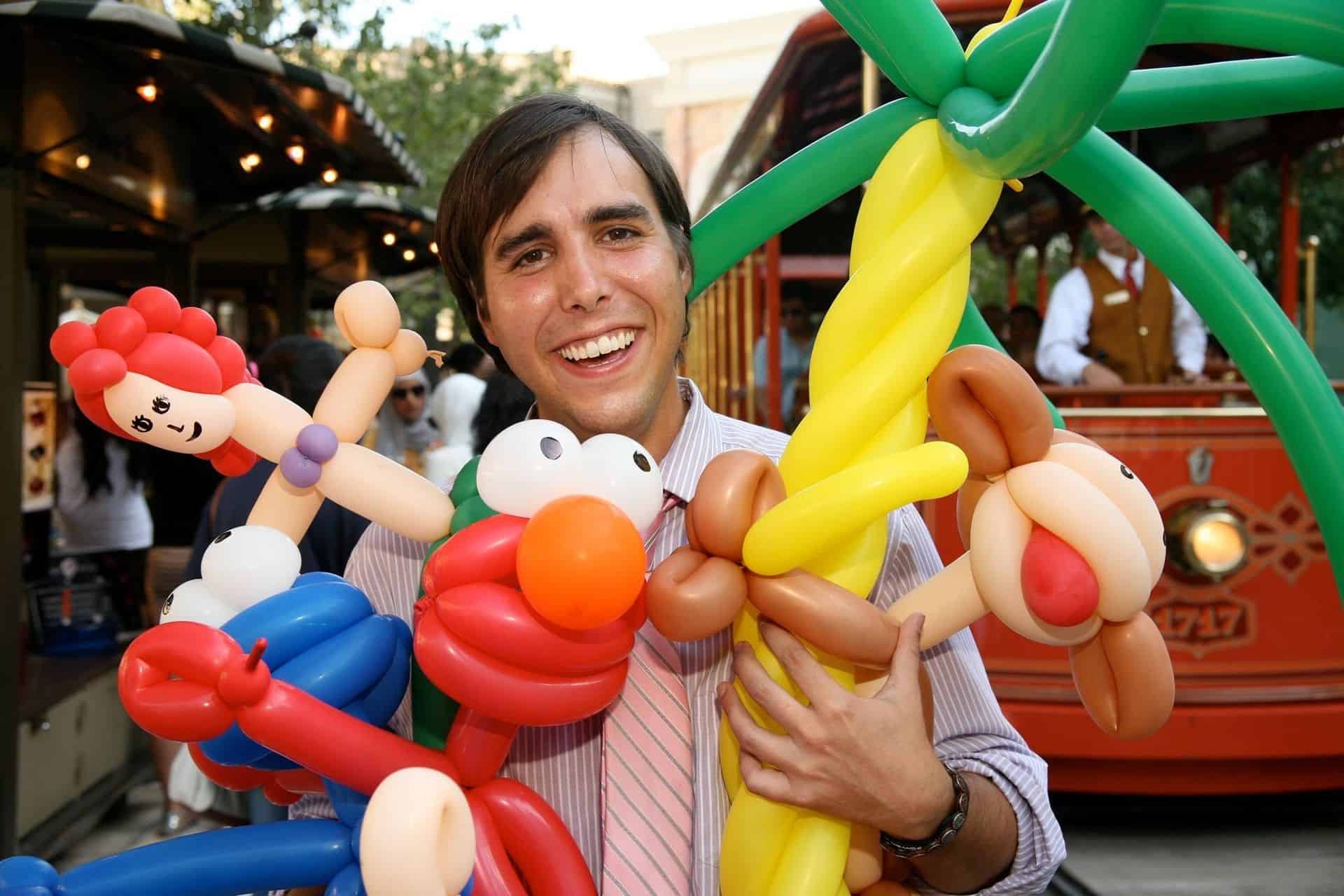
For example, the phrase person who makes balloon animals typically refers to a balloon twister who performs live entertainment. On the other hand, a balloon designer or stylist often works behind the scenes, creating large installations for weddings, corporate events, or brand activations.
In recent years, the term balloon artist has become the most widely accepted professional title. Organizations such as the Qualatex Balloon Network and the International Balloon Arts Convention have helped standardize the language used in the industry and elevate professional recognition.
What matters most isn’t the title itself, but the skill behind it. The ability to transform simple materials into memorable visual experiences is what defines the craft.
Balloon art has deeper historical roots than many people realize.
Long before modern latex balloons existed, cultures experimented with flexible materials to create decorative shapes. Historical records show that:
One of the key figures in this evolution was Michael Faraday, who created early rubber balloons in 1824 while experimenting with gases. These early developments laid the foundation for the balloon industry as we know it today.
The introduction of latex balloons in the early 1900s marked a turning point. Balloons became more durable, more colorful, and easier to shape. This shift allowed balloon art to move from novelty into the rich world of balloon decorations we see in premium events today.
Today, balloon decor is part of a global events industry valued in the billions. According to data referenced by Grand View Research, the global party supplies market continues to grow steadily, driven by demand for personalized and experience-focused celebrations.
The modern balloon industry looks very different from what existed even two decades ago. For a closer look at how balloon decor has evolved in luxury events, the shift over the past decade has been significant.
In the past, balloon art was often associated primarily with children’s entertainment. Today, it plays a central role in:
Social media has accelerated this transformation. Platforms like Instagram and TikTok have made visual impact more important than ever. Event design is now judged not only by guests in the room, but by audiences online. It’s a key reason why luxury balloon decor for high-end events has become a distinct category from standard event decoration.
As a result, balloon artists have expanded their skill sets to include:
This shift has elevated the profession significantly. If you want to understand what goes into a large-scale balloon installation, the range of decisions involved — from material sourcing to spatial planning — is broader than most clients expect.
Here’s the key insight that many people miss:
A balloon artist today isn’t just someone who works with balloons. They’re someone who designs experiences.
That distinction is what separates a basic decorator from a high-level creative professional.
At premium events, the balloon installation often becomes the focal point of the entire environment. It sets the tone, guides photography, and shapes how guests remember the experience. In cities known for high production value and demanding clients, the expectations for balloon design are especially elevated. Balloon artists in Los Angeles, in particular, operate in one of the most creatively demanding event markets in the country. That’s why many event planners pay close attention to who is considered among the best balloon decorators in Los Angeles, particularly for events where presentation carries real weight.
Balloon art is now a truly global creative movement.
In the United States and Europe, balloon installations are commonly used in weddings, corporate galas, and brand launches. In competitive markets like LA, clients often research top balloon companies in Los Angeles before selecting a creative partner for high-stakes events.
In Asia and South America, balloon festivals and competitions showcase large-scale sculptures and artistic innovation.
Events such as the Festival Internacional de Balonismo attract thousands of visitors each year and demonstrate how balloon art continues to evolve as both entertainment and design.
Meanwhile, professional training programs and conventions bring artists together to share techniques, materials, and safety standards. These gatherings help push the industry forward and maintain high-quality craftsmanship.
Calling someone a balloon artist might seem simple, but the title carries meaning.
It reflects creativity, technical skill, planning ability, design thinking and professional execution. In high-end events, the balloon artist is often responsible for one of the most visible elements in the entire venue. Their work shapes the first impression guests experience when they walk into a space.
That’s why professional event planners increasingly treat balloon artists as creative partners rather than vendors.
And that shift is redefining the industry.
So, what is a balloon artist called?
They may be known as balloon makers, balloon twisters, or balloon designers. But at the heart of the profession, a balloon artist is someone who combines creativity and technical skill to transform ordinary materials into memorable experiences.
From ancient celebrations to modern luxury events, balloon art has evolved into a respected creative discipline that continues to grow in influence and sophistication.
Whether designing playful balloon animals or installing large-scale statement pieces for high-profile events, the role of the balloon artist remains the same.
To create moments that people remember.
And in today’s experience-driven world, that role has never been more important.
Hire a professional balloon artist for your next event and experience how thoughtful design can turn an ordinary space into something guests remember long after the celebration ends.

Inquire
Tell us when and we'll take it from there. A member of our Los Angeles team will reach out to talk through your vision, venue, and budget.
Planning an event?
Tell us your date and vision. Our team texts you back within minutes.
 4.9 on Google · 68 reviews
Luxury Balloon Decorations & Event Entertainment in Los Angeles. The Balloon Guy creates custom balloon decorations, luxury balloon installations, and professional event entertainment for corporate events, brand activations, weddings, birthday parties, private celebrations, and community events throughout Los Angeles and Southern California.
189 The Grove Dr
Los Angeles, CA 90036By appointment only · Serving Los Angeles & Southern California
Mon – Sun · 9:00 am – 6:00 pm